The Consumer Edge
![]() |
|
Lori Colman is the founding partner and co-CEO of Colman Brohan Davis (CBDmarketing.com), a strategic branding and integrated marketing firm in Chicago serving national and global companies in the natural food and ingredients sectors. Lori speaks internationally on natural products marketing topics, enlightening her audiences with new strategic insights and trend data while championing the consumers' point of view. Founded in 1988, Colman Brohan Davis is included as a "Top Agency" on BtoB magazine's national agency ranking list. Contact Lori at lcolman@cbdmarketing.com. |
Fads, Trends, Niches, ‘Things’
CBD’s Director of Brand Strategies, Mark Shevits, wrote this posting. Since it is so appropriate to this audience, I am giving Mark the floor this week.
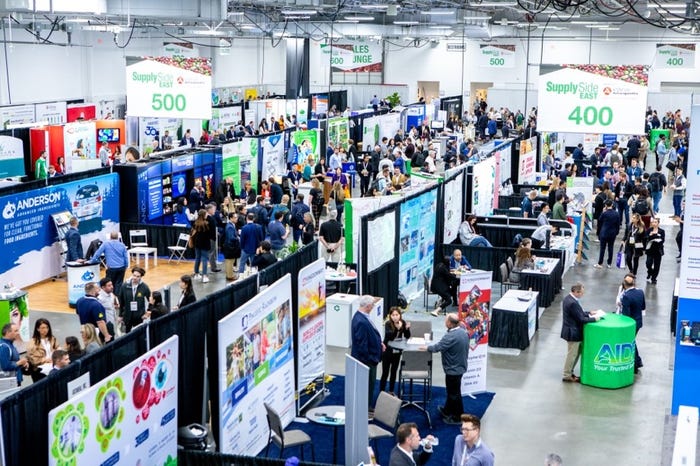
We’ve attended several shows this year, including SupplySide East and the IFT Food Expo. As we walked the shows, we started discussing the general lack of buzz about the "next big thing" in the food industry. In years past, there seemed to be a definitive sense of something being poised to make a splash.
From that, we talked about whether companies should be developing products that they expect to be blockbusters. Certainly, there’s a need in the industry for food ingredients and technologies that aren’t necessarily earth-moving, but still have plenty of value. The key insight here for companies is to try to understand the ceiling on a product in order to set the proper expectations for what constitutes "success," so as to apply the appropriate amount of resources into its development.

So early on with your marketing team, try to anticipate where your product "fits" within one of four categories. Each of them can have value to the marketplace and the company that’s developing it. The important thing is to have the foresight to understand where the product falls within the following range:
1. Fads
Popular for a short period of time (perhaps up to two years), fads have a low or limited ceiling on overall sales. They get hot, and then burn out completely when the next "super ingredient" takes its place. Fads are marked by more style than substance: think acai, baobab, fen-phen, low-carb products. Coconut water is hot right now, but will it have staying power, or will it become another fad?
2. Trends
Trends have a bit more staying power than fads, but their legs are limited. Trends become popular quickly, and then tail off for a longer period of time than a fad. One difference that might turn a fad into a trend is better marketing. Examples of what we’d consider a trend include high fiber products, ice beer, high-end vodka brands and functional foods. While some functional foods will likely have staying power, we may be seeing the start of the tail end of the plethora of functional foods. At IFT, Mintel led a symposium about whether they were "dead or alive" (the general sense was "on life support").
3. Niches
Niche products have sustained value, but are limited in their lifetime ceiling on sales. Like fads and trends, a niche gets off to a hot start, then settles into an appeal to a limited segment of consumers. Niches differ from trends in that they have passionate support from certain portions of the population. Current niches include organic and gluten-free products, soy milk, low-sodium offerings and Vitamin Water.

4. "Things" (as in "Oh, is that a ‘thing’ now?")
"Things" are products that create new, sustained categories. There’s no ceiling on their sales possibilities, and they enjoy widespread consumer adoption and acceptance. Examples of "things" include diet soda, light beer, products with no trans fat and bottled water.


This scale doesn’t just apply to the food industry—it can also be adapted for CPG and B2B offerings.
Not every product a company develops has to start out as a game-changing idea. There’s value in all four of these tiers of success—the key is to figure out where something might fall on this scale before deciding what resources to commit to its development and marketing. And as CBD continues to look at the fad-niche-trend-"thing" value chain concept, we’re working not only on how to identify where a product might max out on the scale, but also to better understand how we can help companies move through it.
- Comments