Probiotics: Moving Beyond Digestive Health

By Steve French Comments
Print

In the past few years, probiotics have entered the mainstream and are becoming a significant mass market opportunity. As the probiotic market continues to gain momentum, it will represent significant opportunities in both dietary supplements and functional food applications.

Some of the dynamics that are facilitating the mainstreaming of probiotics include:

  • High incidence of digestive conditions in the population
  • Increased consumer interest in functional foods
  • Emerging encapsulation processes that allow probiotics to be added to non-refrigerated foods such as breads and cereals
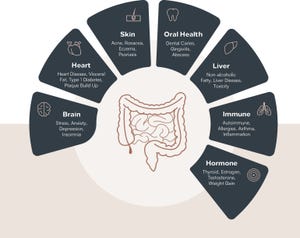
  • Discovery of links between detoxification of the intestinal tract; and increased health and wellness, energy, skin health and weight loss.

It is important for manufacturers and marketers to understand how consumers perceive the probiotic landscape, and the challenges and opportunities that exist within this fast-emerging market.


Probiotic Landscape

Awareness of the term “probiotics” has grown from a mere 9 percent in 2002 to 67 percent of U.S. adults in 2010—a growth in awareness of more than 600 percent in only nine years. Much of the increase may be attributed to the media exposure and product marketing of mainstream yogurts and other dairy products publicizing the benefits of probiotic content. In fact, much of the increase in awareness occurred after 2006, the year Activia was launched in the United States.

Interestingly, while awareness has shown some dramatic gains, use of probiotic foods is rather stagnant with only 12 percent of the U.S. population indicating they have used probiotic-enriched foods in the past 30 days, compared to 10 percent in 2008. Comparatively speaking, 8 percent of the U.S. population uses probiotic supplements.

These findings highlight several emerging needs within the probiotic market that may help to boost probiotic usage rates even higher across both foods and supplements:

  • Continued product expansion outside dairy
  • Consistent and clear educational messaging about the benefits of probiotics
  • Increased consumer understanding of the benefits beyond digestive health

Consumers show fragmented understanding of the benefits of probiotics (Figure 1). While less than one-third of consumers associate probiotics with digestive health, other benefits exist, thereby providing additional marketing opportunities beyond digestion.

Figure 1


Even further, since many digestive problems are acute, consumers may not be concerned about digestive problems until an issue actually manifests itself, lessening the perceived need for continued use of a probiotic product.

In fact, according to Natural Marketing Institute’s (NMI’s) 2011 Supplement/OTC/Rx Database®, the top reason probiotic users have consistently cited as to why they stop using probiotics is that they “only use it when they need it.”

« Previous12Next »
Comments